Advertisements
Hybrid Athlete vs Bodybuilder: Which Path Actually Makes Sense for You?
Here’s a stat that kinda blew my mind — searches for “hybrid athlete” have increased by over 300% in the last two years. Meanwhile, bodybuilding has been around since the days of Eugene Sandow in the 1800s and it ain’t going anywhere. So what gives? Why are so many people suddenly torn between these two training styles?
I’ve been on both sides of this fence, and honestly, I’ve got the scars (and the pulled hamstrings) to prove it. Let me break down what I’ve learned the hard way about the hybrid athlete vs bodybuilder debate so you don’t have to stumble through it like I did.
What Even Is a Hybrid Athlete?
A hybrid athlete is someone who trains for both strength and endurance simultaneously. Think running a 5K in the morning and hitting heavy deadlifts in the afternoon. Guys like Nick Bare and Fergus Crawley have basically popularized this whole movement.
When I first tried hybrid training, I thought it was just “doing everything at once.” Spoiler alert — it’s not. There’s actual periodization and programming involved, and ignoring that cost me about three months of spinning my wheels with zero progress.
The core idea is building a body that performs well across multiple fitness domains. You’re not just big. You’re not just fast. You’re both — or at least you’re trying to be.
The Bodybuilder Approach: Tried and True
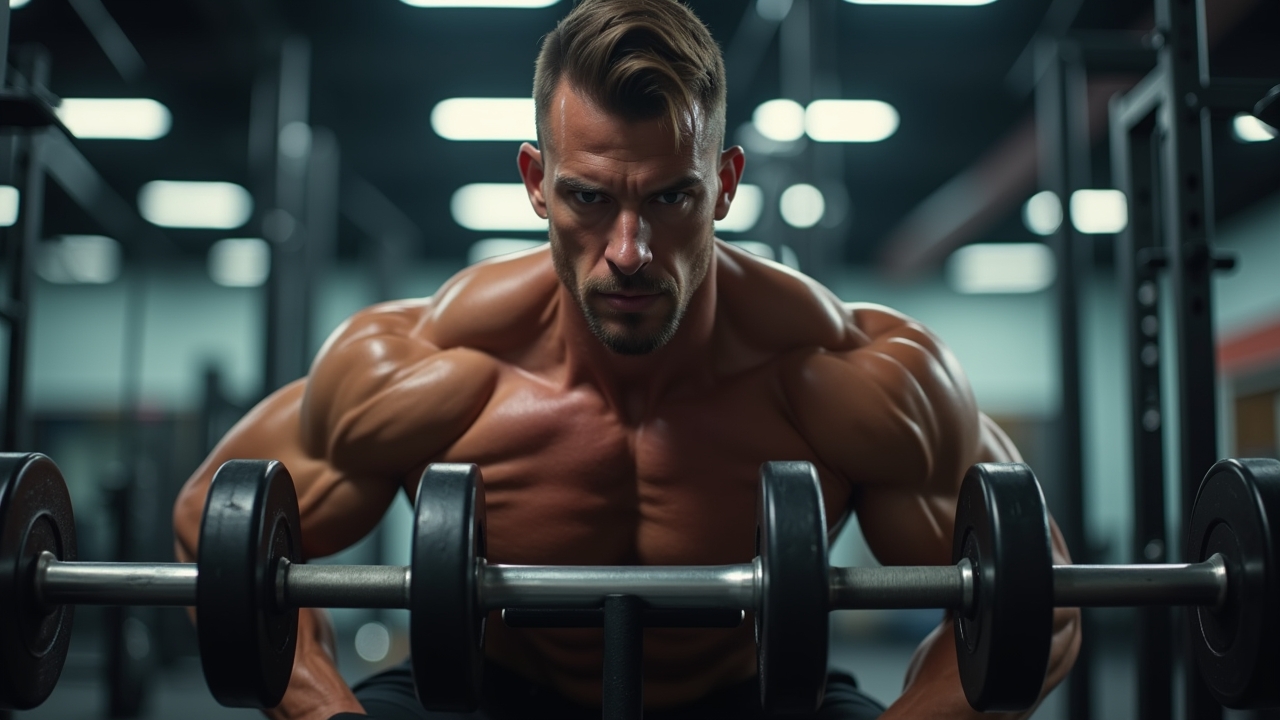
Bodybuilding is all about hypertrophy, muscle symmetry, and aesthetics. Every single set, rep, and meal is designed to make muscles grow and look a certain way. It’s been refined over decades and the science behind resistance training for muscle growth is rock solid.
Advertisements
I spent about four years as a dedicated bodybuilder in my late twenties. My physique looked great — I’m not gonna lie, the mirror was my best friend back then. But I remember getting absolutely wrecked trying to play pickup basketball with my nephew one Saturday.
That was humbling. Like, really humbling. I had all this muscle but couldn’t keep up with a teenager for more than ten minutes.
Training Differences That Actually Matter
Here’s where things get practical. The programming for each style is fundamentally different, and understanding this was a game-changer for me.
- Volume: Bodybuilders typically train with higher volume per muscle group (15-25 sets per week). Hybrid athletes spread that volume thinner because cardio takes up significant training time.
- Cardio: Bodybuilders usually limit cardio to preserve muscle mass. Hybrid athletes embrace it — running, cycling, swimming, you name it.
- Recovery: This is where hybrid training gets tricky. Your body is being pulled in two directions, and recovery demands go through the roof.
- Nutrition: Bodybuilders often cycle between bulking and cutting phases. Hybrid athletes need to fuel performance across disciplines, which means their nutrition tends to be more consistently moderate.
One thing nobody told me early on? The interference effect is real but it’s also been overhyped. You can absolutely build muscle while doing endurance work — you just won’t maximize either one.
So Who Gets Better Results?
Depends entirely on what “results” means to you. If your goal is maximum muscle size and the most aesthetic physique possible, bodybuilding wins every time. That’s literally what it’s optimized for.
But if you want to look strong, actually be strong, AND have the cardiovascular fitness to hike a mountain or run a race? Hybrid training is where it’s at. I switched over about two years ago and my resting heart rate dropped from 72 to 58. Sure, I lost maybe an inch on my arms, but I genuinely feel like a more capable human being.
Neither approach is wrong. They’re just answering different questions about what fitness means to you.
Pick Your Own Adventure
Look, the hybrid athlete vs bodybuilder conversation isn’t really about which is “better.” It’s about what you actually want from your body and your training. Be honest with yourself about your goals before committing to either path.
And please — regardless of which route you choose — prioritize recovery and don’t skip your mobility work. I learned that lesson with a strained hip flexor that sidelined me for six weeks. Not fun.
If you’re still figuring out where you fit, explore more training guides and fitness breakdowns over at Fitness Nuvra. There’s something there for every kind of athlete — hybrid, bodybuilder, or somewhere beautifully in between.