Advertisements

Hybrid Training at Home: How I Finally Stopped Choosing Between Strength and Cardio
Here’s a stat that honestly blew my mind — a study published in the Journal of Strength and Conditioning Research found that combining resistance training with endurance work can improve body composition more effectively than doing either one alone. That’s basically the whole argument for hybrid training in one sentence! I spent years bouncing between “cardio phases” and “strength phases,” never really nailing both, until I finally committed to hybrid training at home and everything clicked.
What Even Is Hybrid Training?
So hybrid training is basically the practice of blending strength training and cardiovascular conditioning into one cohesive program. We’re not talking about just doing a random run after lifting some dumbbells. It’s a structured approach where both modalities are programmed intentionally so they complement each other.
Think of it like this — you want the muscle and power from resistance training, but you also want the endurance and heart health from cardio. Hybrid training says “why not both?” And honestly, for most of us who aren’t competing in powerlifting or running ultramarathons, this approach makes way more sense for overall functional fitness.
Why I Switched to Home-Based Hybrid Workouts
I’ll be real with you. I was paying $65 a month for a gym membership I used maybe three times a week, and half those sessions were wasted waiting for equipment. One Tuesday evening I literally stood around for 15 minutes waiting for a squat rack and thought, “this is dumb.”
So I invested in some adjustable dumbbells, a pull-up bar, a jump rope, and a used rowing machine I found on Facebook Marketplace. Total cost was about what six months of gym fees would’ve been. Best decision I ever made for my home gym setup.
The convenience factor alone is massive. No commute, no waiting, no excuses. I roll out of bed, throw on shorts, and I’m training within five minutes.
Advertisements
My Actual Weekly Hybrid Training Schedule
After a lot of trial and error — and one really stupid week where I tried doing heavy legs and a 5K on the same day, don’t do that — I settled on a split that works beautifully. Here’s what a typical week looks like for me:
- Monday: Upper body strength (dumbbells, pull-ups, push-up variations)
- Tuesday: Zone 2 cardio — 30-40 minutes on the rower or a steady jog
- Wednesday: Lower body strength (goblet squats, lunges, Romanian deadlifts)
- Thursday: HIIT conditioning — jump rope intervals, burpees, kettlebell swings
- Friday: Full body strength with compound movements
- Saturday: Longer cardio session, usually a 45-minute run or bike ride
- Sunday: Active recovery, mobility work, maybe some yoga
The key is separating your hard strength days from your hard cardio days. This is something called the interference effect, where doing intense cardio too close to lifting can blunt your strength gains. Learned that one the hard way, trust me.
Essential Equipment You Actually Need
You don’t need a full commercial gym. That’s the beauty of hybrid fitness training at home — it’s surprisingly minimalist. Here’s what I’d recommend starting with:
- Adjustable dumbbells (up to at least 50 lbs)
- A pull-up bar
- Resistance bands for accessory work
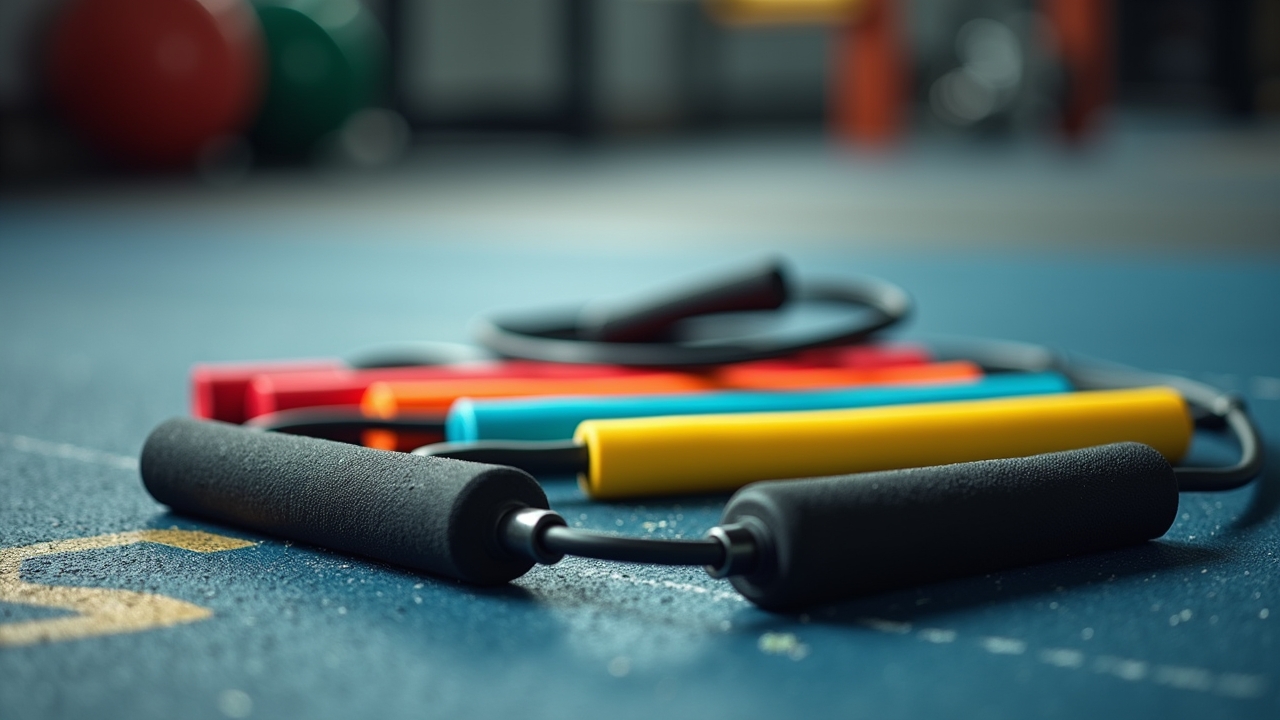
- A jump rope for conditioning
- A foam roller for recovery
That’s literally it to get started. As your home workout routine evolves, you can add a kettlebell or a cardio machine. But don’t let “not having enough equipment” be your excuse — bodyweight exercises combined with cardio is still hybrid training.
Common Mistakes I Made So You Don’t Have To
First, I went way too hard on everything in the beginning. Your body needs time to adapt to concurrent training. Start with three or four sessions per week and build from there.
Second, I completely neglected nutrition. Hybrid training burns a ton of calories, and I was undereating for months wondering why I felt like garbage. Make sure your protein intake supports muscle recovery — roughly 0.7 to 1 gram per pound of bodyweight is a solid target.
Third, I skipped deload weeks. Every fourth or fifth week, dial it back. Your body will thank you.
Your Turn to Start Blending Strength and Sweat
Look, hybrid training at home isn’t about being perfect — it’s about being consistent with a balanced approach that actually fits your life. Customize this framework to match your goals, your equipment, and your schedule. Just remember to listen to your body, progress gradually, and don’t skip your warm-ups (my left shoulder still reminds me of that lesson daily).
If you’re hungry for more workout ideas, nutrition tips, or honest gear reviews, head over to the Fitness Nuvra blog — we’ve got plenty more where this came from!