Advertisements

How to Pick the Right Weight: A No-Nonsense Guide That’ll Save You Time (and Embarrassment)
Here’s a stat that honestly blew my mind — nearly 65% of gym-goers are lifting either too heavy or too light for their goals. I was definitely one of them for years. Picking the right weight for your exercises is one of those things that sounds simple but can totally make or break your progress!
I remember my first real gym session like it was yesterday. I grabbed the same dumbbells the huge dude next to me was using. Let’s just say my ego wrote a check my biceps couldn’t cash, and I could barely lift my coffee mug the next morning.
Why Picking the Right Weight Actually Matters
So here’s the deal. Using the wrong weight doesn’t just slow your progress — it can straight up get you injured. I learned this the hard way when I tweaked my lower back doing bent-over rows with way too much weight back in 2019.
On the flip side, going too light means you’re basically just wasting time. Your muscles need adequate resistance to grow, and if you’re breezing through every set without breaking a sweat, something’s off. The concept of progressive overload is key here — your muscles adapt, so you need to challenge them consistently.
The “Two Rep” Rule That Changed Everything for Me
A trainer once told me something that completely shifted how I approach weight selection. She called it the “two rep rule,” and it’s dead simple.
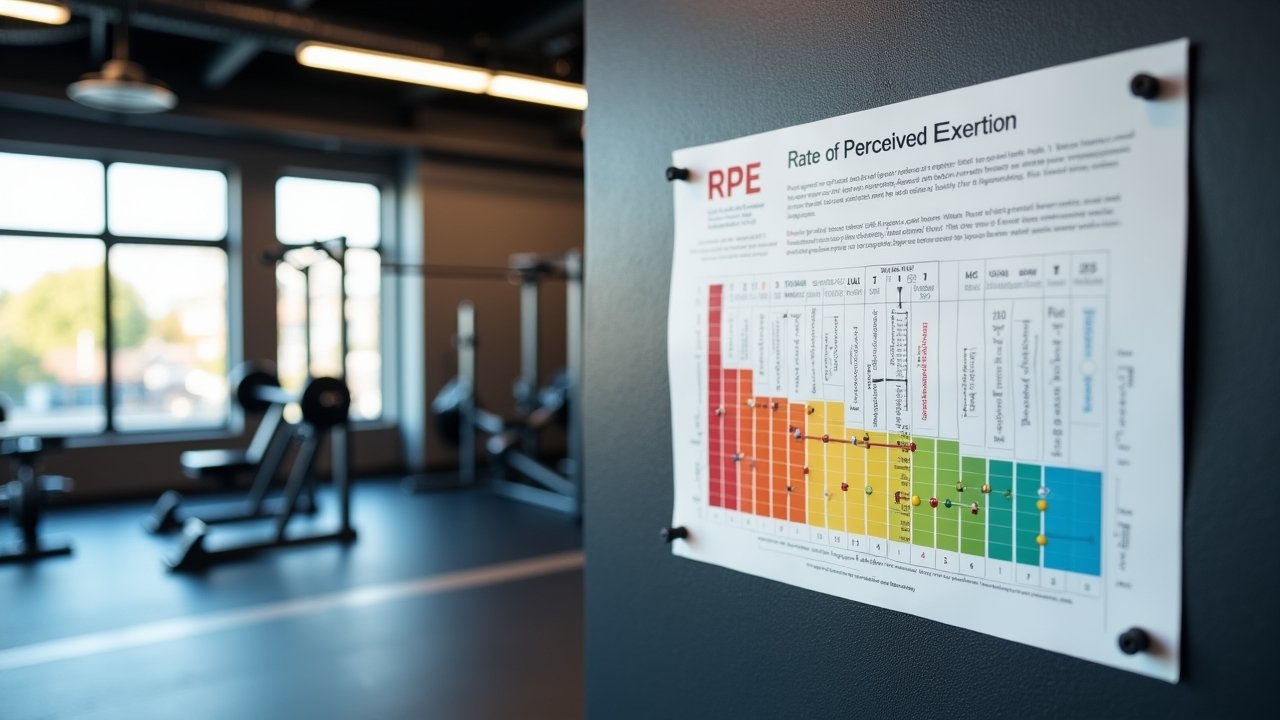
When you finish your set, you should feel like you could’ve done maybe two more reps — but with really ugly form. That’s the sweet spot. If you could bang out five more reps easily, the weight is too light, and if you can’t finish your target reps at all, it’s obviously too heavy.
Advertisements
For example, if you’re aiming for 10 reps on a dumbbell press, the right weight should have you struggling around rep 8 or 9. Those last couple reps should feel challenging but still doable with proper technique.
Start Lighter Than You Think You Should
I know, I know. Nobody wants to be caught lifting the tiny dumbbells. But honestly? Starting light is how you figure out your baseline, and nobody at the gym is actually watching you — they’re too busy checking themselves out in the mirror.
Here’s what I tell my students when they’re just starting out with strength training:
- Begin with a weight you can easily lift for 15 reps
- Gradually increase by 5 pounds until you hit that “two rep” sweet spot
- Write down what you used so you don’t forget next session
- Different exercises require different weights — your leg press weight will be way higher than your shoulder press
Matching Weight to Your Fitness Goals
This is where it gets kinda interesting. The right weight depends heavily on what you’re actually trying to accomplish. Not all rep ranges are created equal.
If you’re going for muscle endurance, lighter weights with higher reps (15-20) is the way to go. For muscle hypertrophy — which is just a fancy word for muscle growth — moderate weight at 8-12 reps works best. And for pure strength gains, heavier weights with fewer reps (4-6) is where the magic happens.
I spent my first two years just doing random weights with random reps. Once I actually matched my weight selection to my goal of building muscle, things started clicking way faster. It was honestly frustrating realizing how much time I’d wasted.
Signs You Need to Adjust
Your body is pretty good at telling you when something’s wrong. You just gotta listen to it.
If you’re feeling sharp joint pain, that weight is probably too heavy and your form has been compromised. If you’re not sore at all the next day — like not even a little bit — you might need to bump things up. And if you’ve been using the same weight for the same exercise for more than three or four weeks without it getting easier, something in your recovery or nutrition probably needs attention.
Your Weights, Your Journey
Look, picking the right weight isn’t rocket science, but it does require some honest self-assessment and a willingness to check your ego at the door. What works for someone else probably won’t work for you, and that’s perfectly fine. Always prioritize form over heavy weight — a controlled rep with lighter weight beats a sloppy rep with heavy weight every single time.
Start experimenting with these tips during your next workout and pay attention to how your body responds. And if you’re hungry for more practical fitness advice, head over to the Fitness Nuvra blog where we break down everything from training splits to nutrition — all without the bro-science nonsense!