Advertisements
Animal vs Plant Protein for Athletes: What I Wish Someone Told Me 5 Years Ago
Here’s a stat that genuinely blew my mind — a 2021 study in Sports Medicine found that plant protein can support muscle gains just as effectively as animal protein when total intake and amino acids are matched. I spent years believing I absolutely needed chicken breast at every meal to hit my goals, and honestly, I was wrong about a lot of things!
Whether you’re a weekend warrior or a competitive athlete, the animal vs plant protein debate matters more than ever. Let me walk you through what I’ve learned — sometimes the hard way.
The Basics: What’s Actually Different?
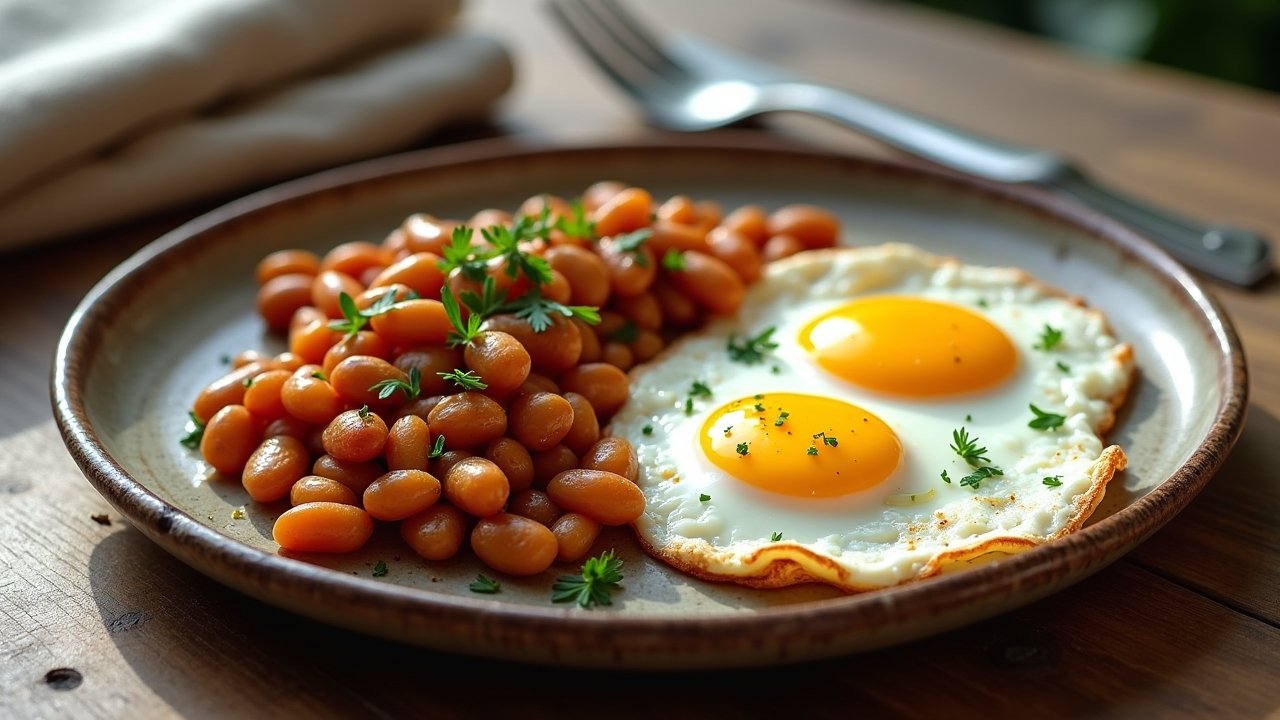
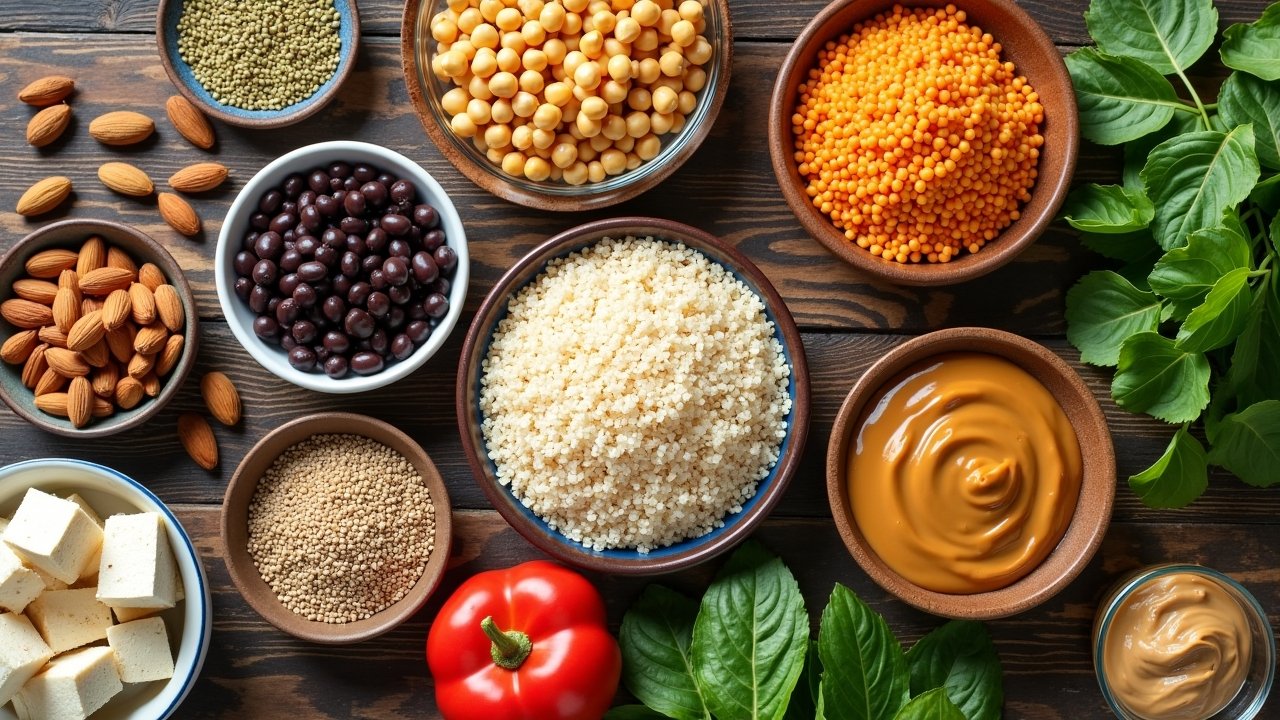
So here’s the deal. Animal protein sources like chicken, beef, eggs, and whey are considered “complete proteins” because they contain all nine essential amino acids your body can’t make on its own. Plant proteins from sources like lentils, tofu, and pea protein are sometimes missing or low in one or two of those aminos.
That said, calling plant protein “incomplete” is a bit misleading. You don’t need every amino acid in a single meal — you just need enough throughout the day. I remember panicking about “combining proteins” at every sitting, like rice and beans had to be eaten together or something terrible would happen. Turns out, that’s been debunked for a while now.
The real difference comes down to leucine content and digestibility. Animal proteins typically have higher leucine levels, which is the key amino acid that triggers muscle protein synthesis. Plant proteins generally need to be consumed in slightly larger quantities to match that leucine threshold.
My Experiment With Going Full Plant-Based
About three years ago, I decided to go entirely plant-based for eight weeks. I was training for a half marathon and lifting four days a week. Bold move, right?
Advertisements
The first two weeks were rough. My digestion was all over the place because I dramatically increased my fiber intake overnight — rookie mistake. I was also undereating protein without realizing it, since a cup of lentils doesn’t pack the same punch per gram as a chicken thigh.
But once I dialed things in, something interesting happened. My recovery actually felt better, and my energy during long runs was more consistent. I’m not saying it was magic or anything, but the anti-inflammatory properties of a whole-food plant diet seemed to genuinely help with soreness. The tradeoff was that I had to eat a LOT more volume to hit my protein targets.
What the Science Says for Athletic Performance
Research from the Journal of the International Society of Sports Nutrition suggests that as long as athletes consume adequate total protein — roughly 1.6 to 2.2 grams per kilogram of body weight — the source matters less than we thought. That’s huge news for anyone considering a shift toward more plant-based eating.
However, there’s a catch. Plant proteins are generally less bioavailable, meaning your body absorbs and uses a smaller percentage of what you eat. So if you’re relying solely on plants, you might want to aim for the higher end of that protein range.
Also worth mentioning — some athletes do better with animal protein simply because of convenience and calorie density. When you’re burning 3,000+ calories a day, eating enough beans and tempeh to cover your needs can feel like a full-time job. Trust me, I’ve been there.
Practical Tips That Actually Work
- Mix your sources. You don’t have to pick a side. I now eat about 60% plant and 40% animal protein, and it’s been the sweet spot for me.
- Supplement smartly. A good pea and rice protein blend covers the amino acid gaps nicely.
- Watch your B12 and iron. These nutrients are harder to get from plants alone, and deficiencies will tank your performance fast.
- Don’t overthink meal timing. Spread your protein across 4-5 meals and you’ll be fine regardless of source.
- Track for a week. Most athletes I’ve talked to are surprised by how little protein they’re actually consuming once they check.
So, What’s the Play Here?
Look, there’s no universal answer to the animal vs plant protein debate for athletes. Your best bet is to experiment, track your results, and listen to your body. What works for a powerlifter might not work for a marathon runner, and that’s totally okay.
Just remember — if you’re going heavier on plants, pay attention to total intake, leucine, and micronutrients like iron and B12. And please, for the love of all things good, increase your fiber gradually. My stomach still hasn’t forgiven me for that first week.
Want more no-nonsense fitness and nutrition advice? Head over to the Fitness Nuvra blog for more articles just like this one. We’re always digging into the stuff that actually matters for your performance.