Advertisements

The Hybrid Training Diet Plan That Actually Kept Me From Burning Out
Here’s a stat that honestly blew my mind: nearly 70% of people who start a hybrid training program end up quitting within the first three months. Not because the workouts are too hard, but because their nutrition is completely off. I was one of those people back in 2021, and let me tell you, it was frustrating as hell.
If you’re combining strength training and endurance work, your body needs a very specific fueling strategy. A regular “eat clean” approach just won’t cut it. That’s exactly why nailing your hybrid training diet plan matters so much!
What Even Is a Hybrid Training Diet Plan?
So hybrid training basically means you’re doing both resistance training and cardiovascular endurance work in the same program. Think lifting heavy three days a week while also running or cycling on the other days. It’s gotten super popular thanks to folks like Nick Bare and Alex Viada.
A hybrid training diet plan is designed to support both of those energy demands simultaneously. You need enough carbohydrates to fuel your runs, enough protein to rebuild muscle, and enough overall calories so your body doesn’t start eating itself. Sounds simple, right? Yeah, I thought so too.
The Mistake I Made That Wrecked My Progress
When I first started hybrid training, I was eating like a pure bodybuilder. High protein, low carb, moderate fat. My lifts were fine for about two weeks, but my 5K times started tanking hard.
I remember one Saturday morning run where I literally bonked at mile two. My legs felt like concrete and I was seeing spots. Turns out, I was severely underfueling my glycogen stores because I was terrified of carbs. Classic mistake.
Advertisements
That experience taught me something important: you cannot out-train a bad nutrition strategy, especially when your body is being pulled in two different directions.
How to Structure Your Macros for Hybrid Training
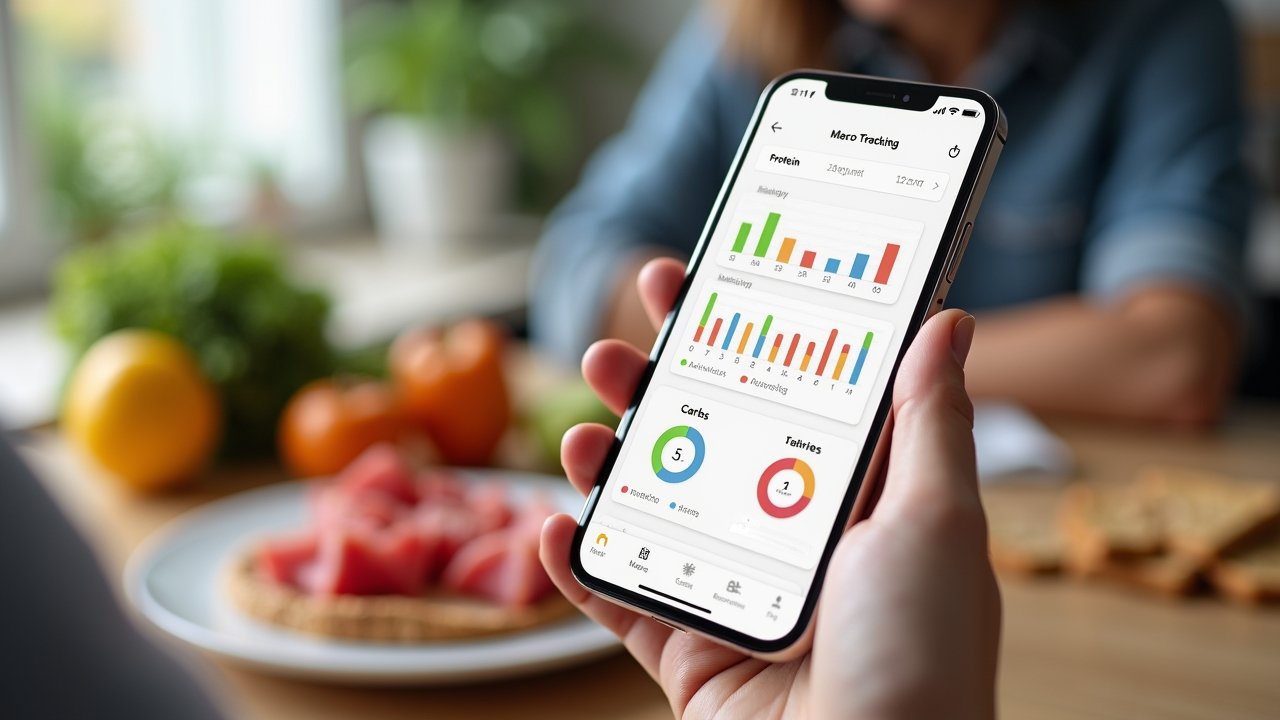
After a lot of trial and error, and honestly a lot of reading from resources like Precision Nutrition, I landed on a macro split that actually works. Here’s what I’d recommend as a starting point:
- Protein: 0.8–1 gram per pound of bodyweight daily. This supports muscle protein synthesis and recovery from your lifting sessions.
- Carbohydrates: 2–3 grams per pound of bodyweight. Yes, that’s a lot. Your endurance work demands it.
- Fats: 0.3–0.4 grams per pound of bodyweight. Don’t skimp here because your hormones will thank you.
Now these numbers ain’t gospel. A 140-pound runner who lifts casually needs different fuel than a 210-pound lifter who’s training for a half marathon. Adjust based on your body composition goals and training volume.
Meal Timing Actually Matters Here
I used to think meal timing was bro science. For regular gym-goers, maybe it is. But when you’re doing two-a-days or stacking a heavy squat session with a tempo run, when you eat becomes almost as important as what you eat.
I try to get a carb-heavy meal about 2–3 hours before any endurance session. Something like oatmeal with banana and honey works great. After lifting, I prioritize a protein-rich meal within about an hour, usually chicken and rice or a solid whey shake.
On days where I’m doing both in one day — which happens more than I’d like — I’ll add a quick intra-workout drink with some fast-digesting carbs. Healthline has a good breakdown of intra-workout nutrition if you’re curious.
Don’t Forget About Hydration and Micronutrients
This is the boring part that nobody talks about, but it was a game-changer for me. I started adding electrolytes to my water on training days and suddenly my cramping issues disappeared. Magnesium and sodium were the big ones I was missing.
Also, eating a variety of colorful vegetables isn’t just something your mom says. The micronutrient density from whole foods supports recovery in ways that supplements alone simply can’t replicate.
Your Diet Is the Other Half of the Equation
Look, hybrid training is demanding. It’s rewarding and honestly kind of addicting once you find your groove, but it will absolutely chew you up if your nutrition isn’t dialed in. Start with the macro guidelines above, pay attention to how your body responds, and don’t be afraid to eat more than you think you should.
Every body is different, so please tweak these recommendations to fit your own needs and consult a professional if you have any health concerns. And if you’re hungry for more practical training and nutrition advice, head over to Fitness Nuvra where we’re always dropping new content to keep you moving forward!