Advertisements

The Ultimate Deadlift Form Guide: What I Wish Someone Told Me Years Ago
Here’s a stat that still blows my mind — the deadlift activates over 430 muscles in your body in a single rep. That’s basically your entire system working together at once! And yet, I spent my first two years doing it completely wrong, wondering why my lower back was always screaming at me.
Look, whether you’re brand new to strength training or you’ve been pulling weight for a while, nailing your deadlift technique is non-negotiable. Bad form doesn’t just kill your gains — it can land you in a physical therapist’s office real quick. Trust me on that one.
Setting Up Your Stance: Where It All Begins
So the first thing I got wrong was my foot placement. I used to stand way too wide, like I was doing some kind of sumo squat hybrid thing. For a conventional deadlift, your feet should be roughly hip-width apart, with the barbell positioned over your mid-foot.
Think of it like this — if you looked down, the bar should cut your feet in half. Your toes can point slightly outward, maybe 15 degrees or so. This was a game-changer for me when a buddy at the gym finally pointed it out.
The Hip Hinge: Your Secret Weapon
Here’s where most people mess things up, and I was absolutely one of them. The deadlift is a hip hinge movement, not a squat. You’re pushing your hips back, not dropping your butt straight down.
I remember watching a great video from Alan Thrall that finally made this click for me. Your hips should load like a spring being pulled back. When I started thinking about it that way, everything just felt smoother and more powerful off the floor.
Advertisements
Grip It and Rip It (But Actually, Don’t Rip It)
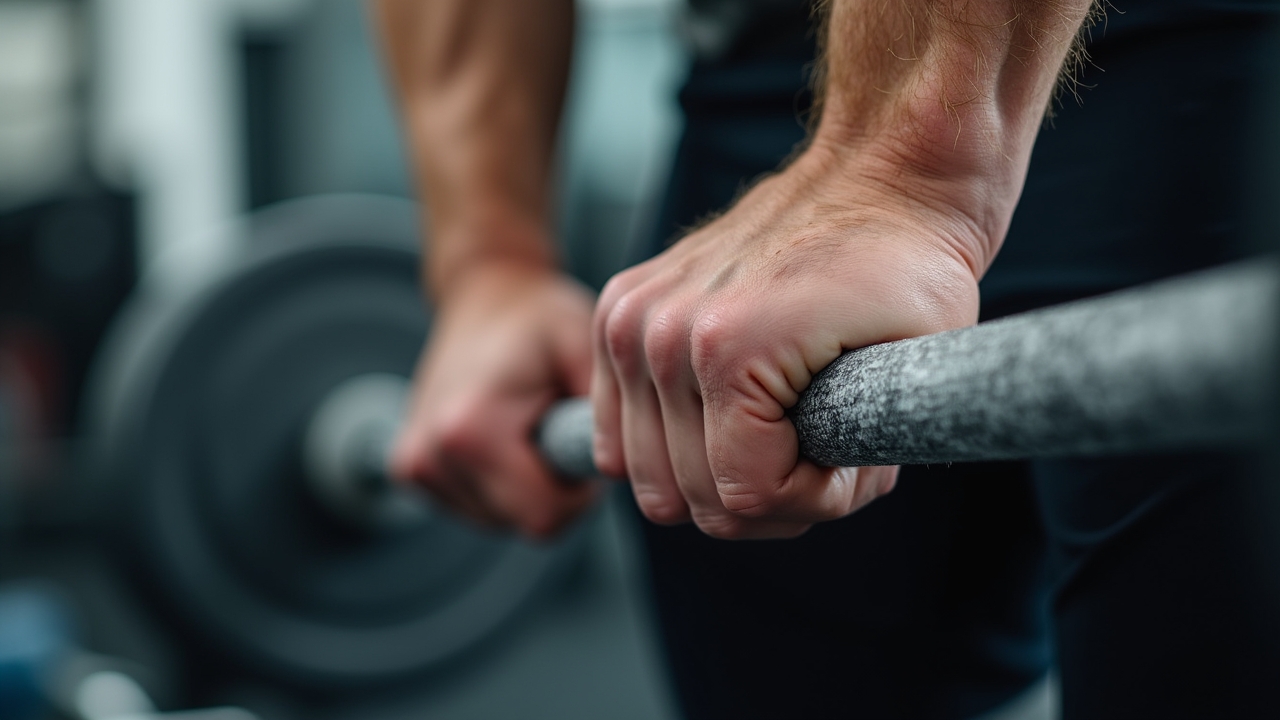
Your grip matters more than you’d think. I started with a double overhand grip, which is honestly the best way for beginners to build forearm strength. Once the weight gets heavier, you can switch to a mixed grip or try hook grip if you’re feeling brave.
Fair warning though — hook grip hurts like crazy at first. Your thumbs will hate you for about two weeks. But it’s been shown to be one of the most secure grips for heavy pulls, and it keeps things balanced unlike the mixed grip which can sometimes cause imbalances.
Bracing Your Core: The Part Everyone Skips
Nobody told me about proper bracing until I was already dealing with lower back pain. Before each rep, you need to take a big breath into your belly — not your chest — and brace like someone’s about to punch you in the stomach.
This is called the Valsalva maneuver, and it creates intra-abdominal pressure that protects your spine. It was literally the single biggest fix for my deadlift. My back stopped hurting almost immediately once I learned to do this properly.
The Pull: Putting It All Together
Okay, so here’s the actual movement breakdown. Once you’re set up with your hinge, grip, and brace, you want to think about pushing the floor away from you rather than pulling the bar up. Weird, I know, but it works.
Keep the bar as close to your body as possible — it should basically drag up your shins and thighs. I’ve got permanent shin scars from this and honestly, I wear them with pride. At the top, squeeze your glutes hard and stand tall without hyperextending your back.
Common Mistakes to Avoid
- Rounding your lower back (this was my biggest offender)
- Jerking the bar off the floor instead of building tension first
- Looking straight up at the ceiling — keep a neutral neck position
- Letting the bar drift away from your body during the lift
- Bouncing reps off the floor instead of resetting each time
Your Deadlift Journey Starts Now
The deadlift is honestly one of the most rewarding exercises you’ll ever learn. It builds total body strength, improves your posture, and there’s nothing quite like the feeling of pulling a new personal record off the ground. But none of that matters if your form is garbage.
Take these tips and adapt them to your body — everyone’s built a little different, so your setup might look slightly different than mine. Start light, film yourself, and don’t let ego drive the weight selection. Safety always comes first.
If you found this helpful, make sure to check out more training guides and fitness tips over at Fitness Nuvra. We’ve got plenty of content to keep your gains coming safely!