
Advertisements
How to Track Progress as a Hybrid Athlete (Without Losing Your Mind)
Here’s a stat that honestly blew me away — nearly 70% of athletes who train for multiple disciplines quit within the first year because they feel like they’re not making progress. I was almost one of them! See, when you’re juggling strength training and endurance work simultaneously, the old-school methods of tracking just don’t cut it anymore.
If you’re a hybrid athlete, you already know the struggle. You hit a deadlift PR on Monday but your 5K time slipped on Wednesday, and suddenly you’re questioning everything. That’s exactly why learning to track progress as a hybrid athlete is so important — it keeps you sane and keeps you moving forward.
Why Traditional Tracking Falls Short for Hybrid Athletes
I spent my first six months of hybrid training using a basic gym log for my lifts and a running app for my cardio. Sounds reasonable, right? Except I was looking at two completely separate data sets that told me absolutely nothing about my overall performance.
Traditional progress tracking was designed for people doing one thing. Powerlifters track their total. Runners track their splits. But when you’re trying to build a well-rounded hybrid fitness profile, you need a system that captures the whole picture.
The real breakthrough for me came when I stopped treating my strength and endurance goals as separate entities. They’re connected, and your tracking should reflect that.
The Metrics That Actually Matter
Alright, let me get specific here because vague advice drives me nuts. Here are the key performance indicators I’ve found most useful for hybrid athlete monitoring:
Advertisements
- Relative strength numbers — track your lifts relative to body weight, not just absolute numbers
- Endurance benchmarks — pick 2-3 set distances and test them monthly
- Recovery metrics — resting heart rate, HRV, and sleep quality
- Body composition — not just weight, but lean mass versus fat percentage
- Rate of perceived exertion (RPE) — how hard sessions feel over time
One mistake I made early on was tracking way too many things. I had spreadsheets that looked like tax documents. Honestly, it became so overwhelming that I stopped logging altogether for like three weeks. Keep it simple, especially at first.
Tools and Apps That Won’t Let You Down
I’ve tried probably a dozen apps at this point. Some were garbage, some were decent, and a few genuinely changed how I train.
For the strength side, Strong App is dead simple and reliable. For running and endurance work, most people swear by Strava or Garmin Connect, and honestly they’re both solid. But here’s the thing — the magic happens when you bring it all together.
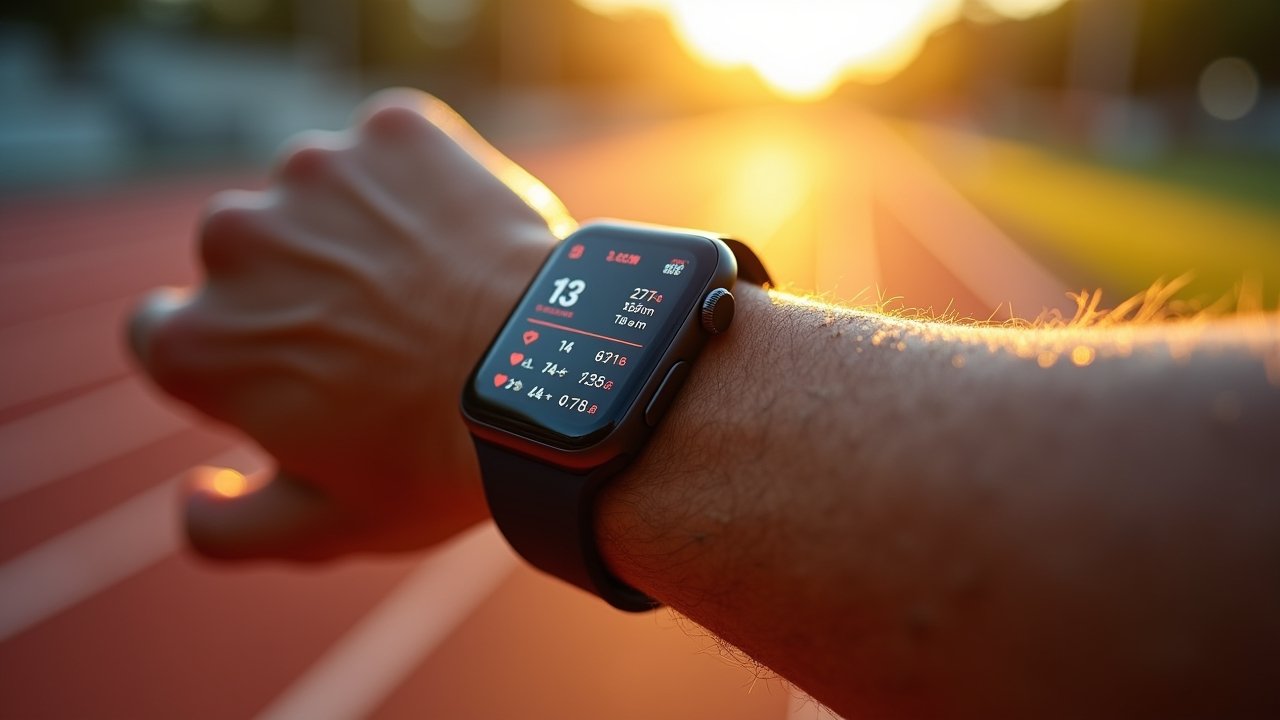
I personally use a combination of a wearable (my Garmin watch tracks HRV and resting heart rate automatically) plus a simple Google Sheet where I log weekly summaries. Nothing fancy. Every Sunday night I spend about ten minutes writing down my top lifts, endurance times, body weight, and a quick note on how I felt that week. That weekly review habit has been more valuable than any app, for real.
Setting Realistic Benchmarks and Timelines
Here’s where things get a little humbling. As a hybrid athlete, you’re probably not gonna set world records in either strength or endurance. And that’s completely okay.
I remember getting frustrated because my squat stalled while I was ramping up marathon training. A coach friend told me something that stuck — “you’re not regressing, you’re redistributing.” That shift in mindset was everything. Progress for hybrid athletes sometimes looks like maintaining your deadlift while dropping two minutes off your 10K time.
Set quarterly goals instead of weekly ones. The week-to-week fluctuations in hybrid training will drive you absolutely crazy if you zoom in too close. Trust the process and look at trends over 8-12 week training blocks.
Keep Showing Up and Keep Logging
At the end of the day, the best tracking system is the one you’ll actually use consistently. Don’t overcomplicate it. Start with three to five key metrics, review them weekly, and adjust your training every couple months based on what the data tells you.
Remember, hybrid training is a long game — be patient with yourself and don’t compare your chapter two to somebody else’s chapter twenty. And always listen to your body alongside the numbers, because data without context can lead you astray.
If you found this helpful, head over to the Fitness Nuvra blog for more guides on training smarter as a hybrid athlete. We’ve got plenty more where this came from!