Advertisements

The Hybrid Workout Schedule That Finally Stopped Me From Burning Out
Here’s a stat that honestly blew my mind — nearly 80% of people who start a new fitness routine quit within the first five months. I was one of those people, more times than I care to admit. But then I stumbled onto a hybrid workout schedule, and everything kind of clicked into place.
A hybrid workout schedule is basically a training plan that combines different styles of exercise — like strength training, cardio, flexibility work, and sometimes even sports-specific drills — into one balanced weekly routine. Instead of going all-in on just lifting or just running, you’re mixing it up strategically. And let me tell you, it’s been a total game-changer for me!
Why I Ditched the “One Thing Only” Approach
For years, I was that guy who’d pick one style of training and beat it into the ground. I did a solid six months of nothing but heavy powerlifting, and my shoulders were screaming at me by month four. Then I swung the other way and ran five days a week — shin splints showed up like unwanted house guests.
The problem was pretty obvious in hindsight. My body needed variety. A periodized, mixed-modality approach keeps your muscles guessing, reduces overuse injuries, and honestly just makes working out way more fun.
What a Solid Hybrid Workout Schedule Actually Looks Like
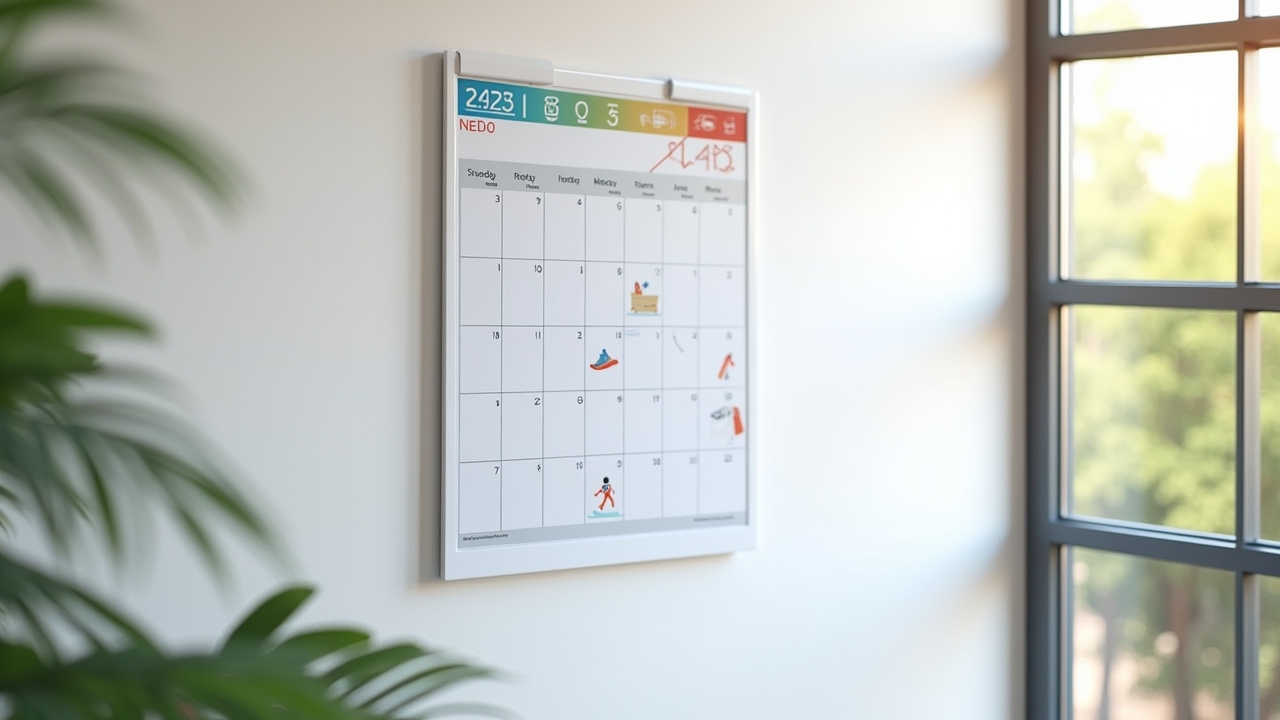
Okay, so here’s the weekly split that’s been working really well for me. Feel free to tweak it — everybody’s body is different, and that’s kind of the whole point.
- Monday: Upper body strength training (compound movements like bench press, rows, overhead press)
- Tuesday: HIIT cardio or a metabolic conditioning circuit — 25 to 30 minutes max
- Wednesday: Lower body strength (squats, deadlifts, lunges)
- Thursday: Active recovery — yoga, mobility work, or a long walk
- Friday: Full-body functional training (think kettlebell flows, bodyweight circuits)
- Saturday: Steady-state cardio like cycling, swimming, or a trail run
- Sunday: Complete rest day
The magic here is balance. You’re hitting resistance training enough to build muscle and strength, but you’re also getting cardiovascular fitness and flexibility work baked right in. Nothing gets neglected.
Advertisements
The Mistakes I Made So You Don’t Have To
When I first tried a hybrid training plan, I made everything way too intense. Every single session was at like 90% effort. Bad idea. Your body needs those easier days to actually recover and adapt.
Another mistake? I didn’t track anything. I just winged it each week, and my progress was basically nonexistent for the first two months. Once I started using a simple workout log — even just notes on my phone — I could actually see what was working. The Strong app is what I use now and it’s been super helpful for keeping things organized.
Also, and this is a big one, I was skipping the mobility and recovery days because they felt “unproductive.” That’s honestly the dumbest thing I did. Those sessions are where your body actually repairs itself and gets stronger. Don’t skip them.
Who Is a Hybrid Schedule Best For?
Honestly, almost everyone can benefit from this kind of cross-training approach. But it’s especially great for intermediate exercisers who’ve been doing the same routine for months and hit a plateau. It’s also perfect if you get bored easily — which, guilty as charged.
If you’re training for a very specific goal like a powerlifting meet or a marathon, then yeah, you’ll need more specialization. But for general fitness, body composition, and just feeling good? A hybrid workout routine is hard to beat.
Quick Tips to Make It Work Long-Term
- Start with three training days per week and build up gradually
- Prioritize sleep — seriously, it matters more than any supplement
- Rotate your exercises every four to six weeks to prevent staleness
- Listen to your body; if something hurts, modify it
Your Move Now
A hybrid workout schedule isn’t some complicated science experiment. It’s really just about being smart with your time and giving your body what it actually needs — strength, endurance, mobility, and rest in the right doses.
Customize the template I shared above to fit your life. Start slow, stay consistent, and please don’t ignore those rest days like I did. Safety first, always — warm up properly, use good form, and check with a doctor if you’ve got any health concerns.
If you found this helpful, go explore more training tips and workout guides over at Fitness Nuvra. There’s plenty more where this came from!