Advertisements

Meal Prep for Hybrid Athletes: How I Stopped Winging It and Finally Got My Nutrition Right
Here’s a stat that honestly blew my mind — roughly 73% of athletes who fail to meet their performance goals cite poor nutrition as the main culprit, not bad programming. When you’re a hybrid athlete juggling strength training, endurance work, and maybe a weekend CrossFit session, food becomes your actual secret weapon. I learned this the hard way, and trust me, it wasn’t pretty!
If you’re training for both strength and endurance — basically living that hybrid athlete lifestyle — meal prep isn’t optional. It’s survival. Let me walk you through everything I’ve figured out after years of burnt chicken, sad tupperware, and one truly embarrassing bonk during a half marathon.
Why Hybrid Athletes Need a Different Meal Prep Approach
So here’s the thing most people don’t realize. Meal prepping for a hybrid athlete isn’t the same as prepping for a bodybuilder or a marathon runner. You’re basically asking your body to do two completely different things, sometimes in the same day.
Your macronutrient needs shift dramatically depending on whether it’s a heavy squat day or a long zone 2 cardio session. I used to eat the exact same meals every single day regardless of my training split, and I wondered why my deadlift was stalling while my 5K times got worse. Turns out, periodized nutrition is just as important as periodized training.
Hybrid athletes typically need higher total caloric intake, more strategic carbohydrate timing, and enough protein to support muscle recovery across multiple training modalities. We’re talking somewhere around 1.6 to 2.2 grams of protein per kilogram of bodyweight, which adds up fast.
My Sunday Meal Prep System That Actually Works
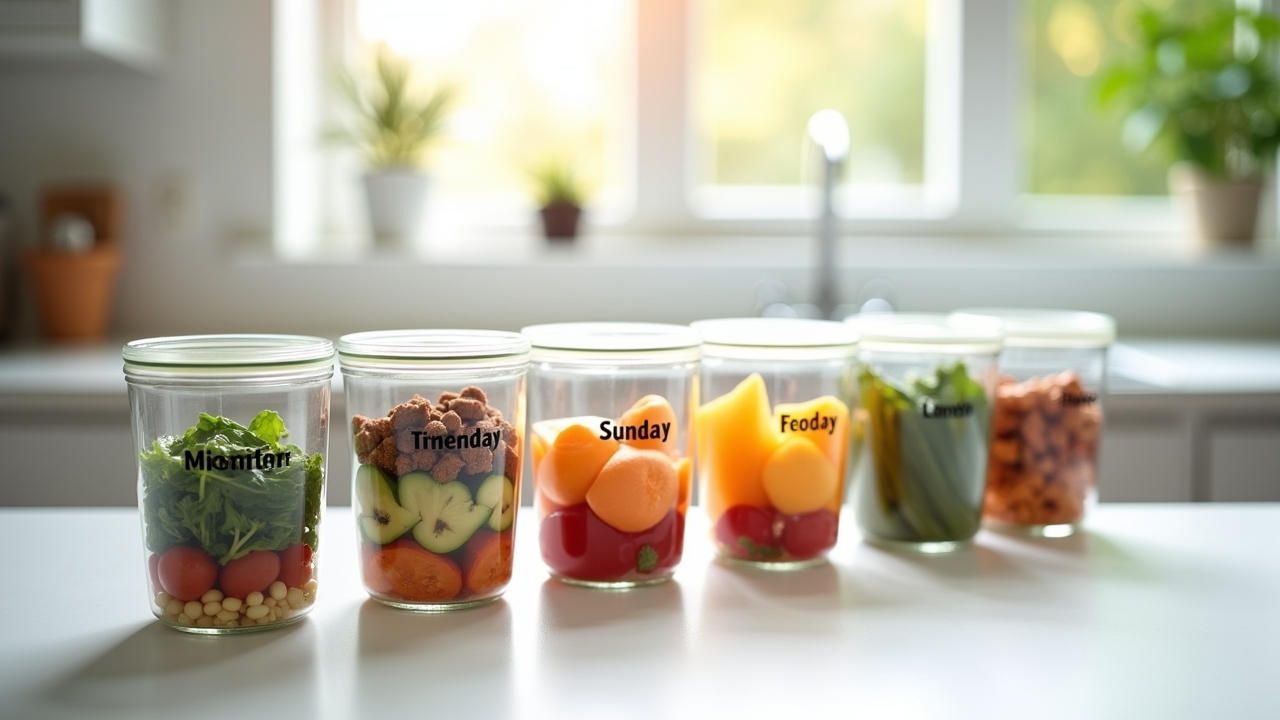
I tried a million different approaches before landing on something sustainable. The key was creating what I call a “modular meal prep” system — you cook base components and then assemble meals based on what your training demands that day.
Advertisements
Every Sunday, I batch cook three proteins, two complex carb sources, and roast a massive sheet pan of vegetables. That’s it. Nothing fancy, nothing that requires a culinary degree.
Here’s what a typical prep looks like for me:
- Proteins: grilled chicken thighs, ground turkey, and baked salmon
- Carbs: jasmine rice and roasted sweet potatoes
- Vegetables: broccoli, bell peppers, and zucchini
- Extras: hard-boiled eggs, overnight oats portioned out, and a big batch of energy bites
On heavy lifting days, I load up on carbs and protein. On easier endurance days, I scale back the carbs slightly and keep fats a bit higher. The modularity is what makes it actually work long-term.
The Carb Timing Mistake I Made for Way Too Long
Okay, storytime. For about eight months, I was eating most of my carbohydrates at dinner because that’s when I felt hungriest. Meanwhile, my morning runs felt like I was dragging cement blocks and my afternoon lifting sessions were completely flat.
Once I started front-loading carbs around my training windows — eating a bigger carb portion before and after workouts — everything changed. My energy was more consistent and my recovery improved noticeably. Nutrient timing isn’t everything, but for hybrid athletes pushing their bodies in multiple directions, it matters more than most people think.
Budget-Friendly Tips That Saved My Wallet
Let’s be real, eating enough quality food to fuel hybrid training gets expensive. I was spending close to $200 a week on groceries before I smartened up.
Now I buy proteins in bulk from Costco, use frozen vegetables without any guilt whatsoever (they’re nutritionally identical to fresh, honestly), and I rotate my carb sources based on what’s cheapest that week. Buying a whole rotisserie chicken and shredding it yourself is a game changer — like four dollars for a massive amount of protein.
Your Kitchen Is Your Performance Lab
At the end of the day, meal prep for hybrid athletes comes down to one thing — consistency beats perfection every single time. You don’t need Pinterest-worthy containers or a degree in sports nutrition. You need a system that’s repeatable, adaptable to your training schedule, and something you won’t dread doing every week.
Start simple, adjust based on how your body responds, and always listen to your energy levels during training. And please, don’t make my mistake of ignoring nutrition while obsessing over programming. For more tips on fueling your hybrid training journey, check out other posts on Fitness Nuvra — we’ve got you covered!