Advertisements

Hydration for Hybrid Athletes: What I Learned After Bonking on a 10K
Here’s a stat that honestly shook me — roughly 75% of Americans are chronically dehydrated on any given day. Now imagine trying to crush a deadlift PR and then lace up for a tempo run while running on empty. That’s basically what I was doing for an embarrassing amount of time.
If you’re a hybrid athlete — someone who blends strength training with endurance work — hydration isn’t just “drink more water, bro.” It’s way more nuanced than that, and I had to learn the hard way. Let me walk you through what actually works so you don’t repeat my mistakes!
Why Hybrid Athletes Need a Different Hydration Strategy
Look, a powerlifter and a marathon runner have very different sweat rates, electrolyte losses, and fluid needs. When you’re doing both? Things get complicated real fast. Your body is being pulled in two directions, and the hydration demands basically stack on top of each other.
During strength training, you might not feel like you’re sweating much, but muscle contractions generate heat and you lose more fluid than you’d think. Then if you pivot to a conditioning session or a long run, you’re starting from a deficit. I remember doing heavy squats followed by a 10K and just absolutely bonking at mile four — legs were cement, brain was fog, the whole deal.
The American College of Sports Medicine recommends athletes drink based on individual sweat rates rather than a generic amount. That advice was a game changer for me.
Electrolytes Are the Real MVP
Here’s where I messed up for years. I thought hydration just meant water. Plain water. Gallons of it. Turns out, if you’re only drinking water without replacing electrolytes, you can actually dilute your sodium levels — a condition called hyponatremia. Scary stuff.
Advertisements
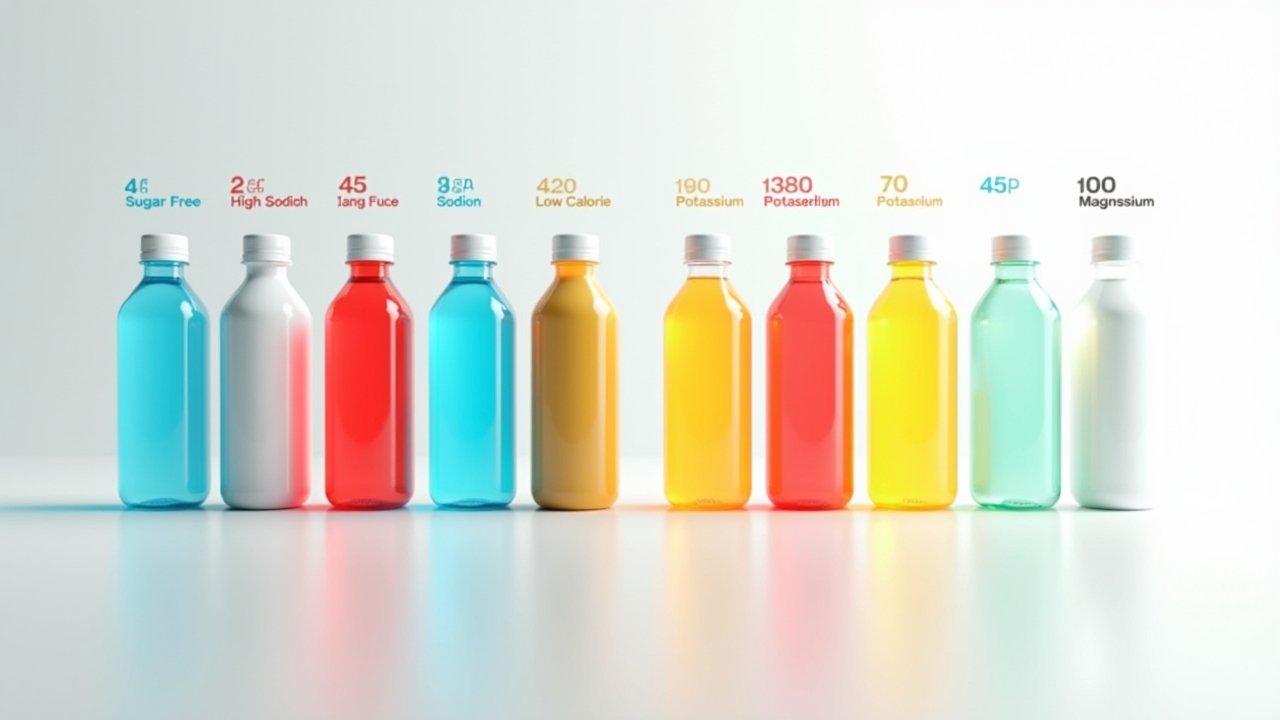
Sodium, potassium, and magnesium are the big three for hybrid athletes. Sodium keeps your fluid balance in check, potassium helps with muscle contractions, and magnesium — oh man, magnesium is like a secret weapon for recovery. I started adding an electrolyte mix to my intra-workout water and the difference was honestly night and day.
Brands like LMNT and Liquid IV are popular choices, but even a pinch of sea salt and a squeeze of lemon in your water bottle does the trick on budget days. Don’t overthink it.
How Much Should You Actually Drink?
This is where people’s eyes glaze over because everyone wants a simple number. The truth is, it depends. But here’s a practical starting point that’s worked for me and several training partners.
- Drink about 16–20 oz of water two hours before training.
- Sip 7–10 oz every 15–20 minutes during exercise.
- After your session, drink 16–24 oz for every pound of body weight lost through sweat.
That last one requires you to weigh yourself before and after a workout, which feels a little obsessive at first. But doing it even a few times gives you a solid baseline. I was shocked to learn I was losing almost 3 pounds of sweat during a combined lifting and running session. That’s like 48 oz of fluid I needed to replace!
Timing Your Fluids Around Double Sessions
If you train twice a day — say, lifting in the morning and running in the evening — the window between sessions is critical. This is where most hybrid athletes drop the ball, myself included. I used to just grab a protein shake and call it good.
Now I prioritize rehydrating aggressively between sessions with both water and electrolytes. Adding some carbohydrates to your post-workout drink also helps with fluid absorption because glucose activates sodium transporters in the gut. Science is cool like that.
A simple recovery drink I swear by: coconut water, a scoop of protein, a pinch of salt, and a banana blended together. Tastes decent and covers most of your bases.
Your Body Will Tell You — If You Listen
At the end of the day, hydration for hybrid athletes isn’t rocket science, but it does require more attention than the average gym-goer gives it. Check your urine color — pale yellow is the sweet spot. Pay attention to headaches, cramping, and fatigue because those are your body waving red flags.
Everyone’s needs are gonna be a little different based on climate, body size, and training intensity, so tweak these guidelines to fit your life. And please, don’t wait until you bonk on a 10K like I did to take this seriously. For more training and nutrition tips tailored to athletes who refuse to pick just one sport, check out the Fitness Nuvra blog — we’ve got plenty more where this came from!