Advertisements

Kettlebell Swings Hybrid Exercise: The One Move That Changed My Entire Training Game
Here’s a stat that honestly blew my mind — a study from the American Council on Exercise found that kettlebell workouts can burn up to 20 calories per minute. Twenty! That’s like running a six-minute mile, except you’re standing in your garage in old sneakers. When I first stumbled into kettlebell swings hybrid exercise variations about three years ago, I had no idea they’d completely rewire how I think about training.
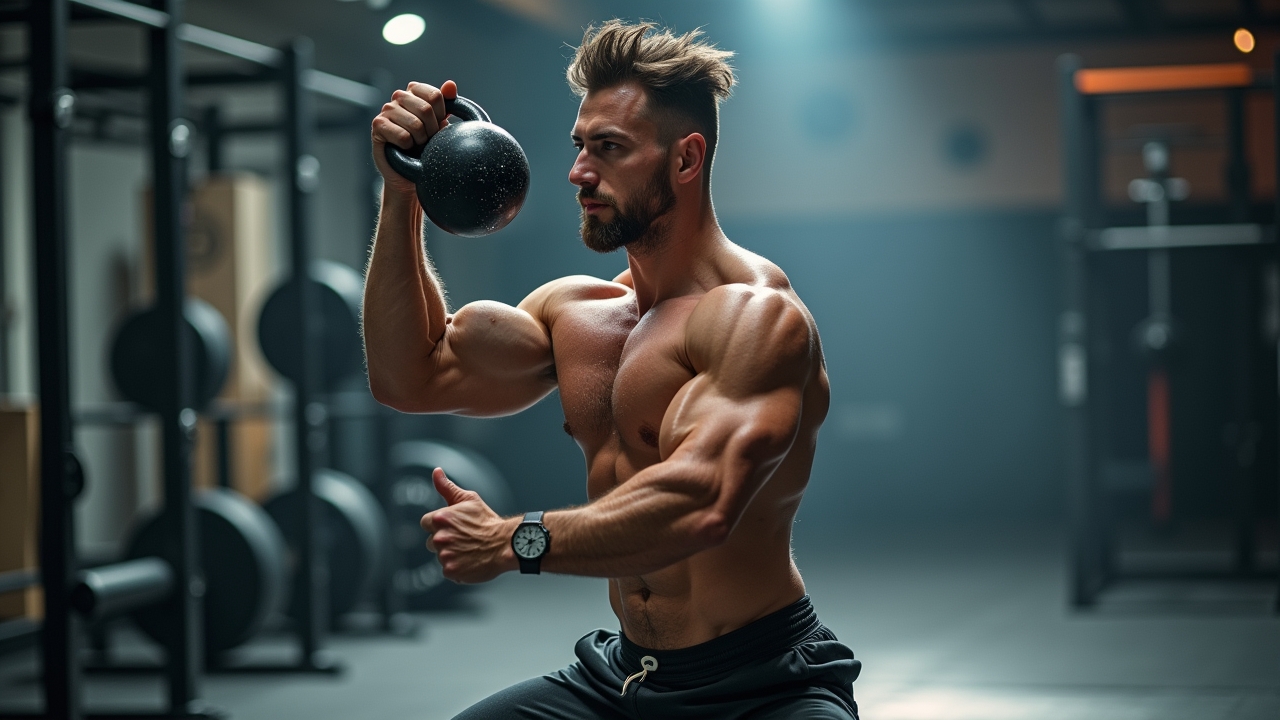
So what exactly makes a kettlebell swing “hybrid”? Basically, you’re combining the classic kettlebell swing with another movement — a squat, a press, a lunge, whatever — to create one fluid compound exercise. It’s efficient, it’s brutal, and honestly it’s kind of fun once you stop feeling like your lungs are gonna explode.
Why I Ditched Isolation Moves for Hybrid Kettlebell Training
I used to be that guy doing bicep curls for 30 minutes straight. No shade if that’s your thing, but I was spending nearly 90 minutes in the gym and still feeling like I wasn’t getting results. Then a buddy of mine — former Army guy, built like a refrigerator — handed me a kettlebell and said “swing this.”
That first session was humbling. My grip gave out before my legs did, and my posterior chain was sore for days. But when he showed me how to flow the swing into an overhead press, something clicked. I was hitting my glutes, hamstrings, core, and shoulders in one single movement pattern.
The beauty of hybrid exercises is that they mimic real-world functional movement. You’re not isolating one muscle in a machine — you’re training your whole body to work together. According to the National Strength and Conditioning Association, compound movements like these improve coordination, burn more calories, and boost cardiovascular endurance simultaneously.
My Favorite Kettlebell Swing Hybrid Combos
Alright, let me share the ones that have actually stuck in my routine. These aren’t fancy Instagram moves — they’re practical, effective, and scalable whether you’re using a 20-pound bell or a 50-pound beast.
Advertisements
- Swing to Goblet Squat: Perform a standard two-hand swing, and at the top of the movement, catch the bell at chest height and drop into a squat. This one absolutely torches your quads and glutes.
- Swing to High Pull: Instead of letting the bell float at the top, you pull it toward your chin like an upright row. Great for shoulders and upper back development.
- Swing to Single-Arm Press: Do a one-arm swing, clean it at the top, then press overhead. This was the one that made me feel like a total warrior the first time I nailed it smoothly.
- Swing to Reverse Lunge: Swing, catch at chest height, and step back into a lunge. My balance was terrible at first — I literally tipped over in my living room once — but it gets better quick.
Each of these full-body kettlebell exercises can be done in circuits. I usually pick three, set a timer for 15 minutes, and just rotate through them. It’s simple programming but the metabolic conditioning effect is no joke.
Common Mistakes I Made (So You Don’t Have To)
First big one — I was squatting the swing instead of hinging. The kettlebell swing is a hip hinge movement, not a squat. Your power comes from snapping your hips forward, not bending your knees. StrongFirst has some excellent resources on proper swing mechanics if you need a refresher.
Second mistake was going too heavy too fast on the hybrid variations. Adding a press or lunge to a swing changes the whole dynamic. Drop the weight, learn the pattern, then build back up. Your joints will thank you later.
Third — and this one’s embarassing — I neglected my grip strength. If your hands can’t hold the bell, nothing else matters. I started doing dead hangs and farmer’s carries on off days, and it made a massive difference.
Your Turn to Swing Into Something New
Kettlebell swings hybrid exercise variations are honestly one of the best-kept secrets in strength and conditioning. They save time, build total-body power, and keep workouts from getting stale. Just remember to start light, master the hip hinge first, and don’t rush the progressions.
Customize these combos to fit your fitness level and goals — there’s no single right way to do this. And if you’re hungry for more workout ideas and training tips, head over to Fitness Nuvra and explore what else we’ve got cooking. Your next favorite exercise might be one article away!