Advertisements

How to Build Endurance and Keep Muscle: What I Learned After Losing 8 Pounds of Gains
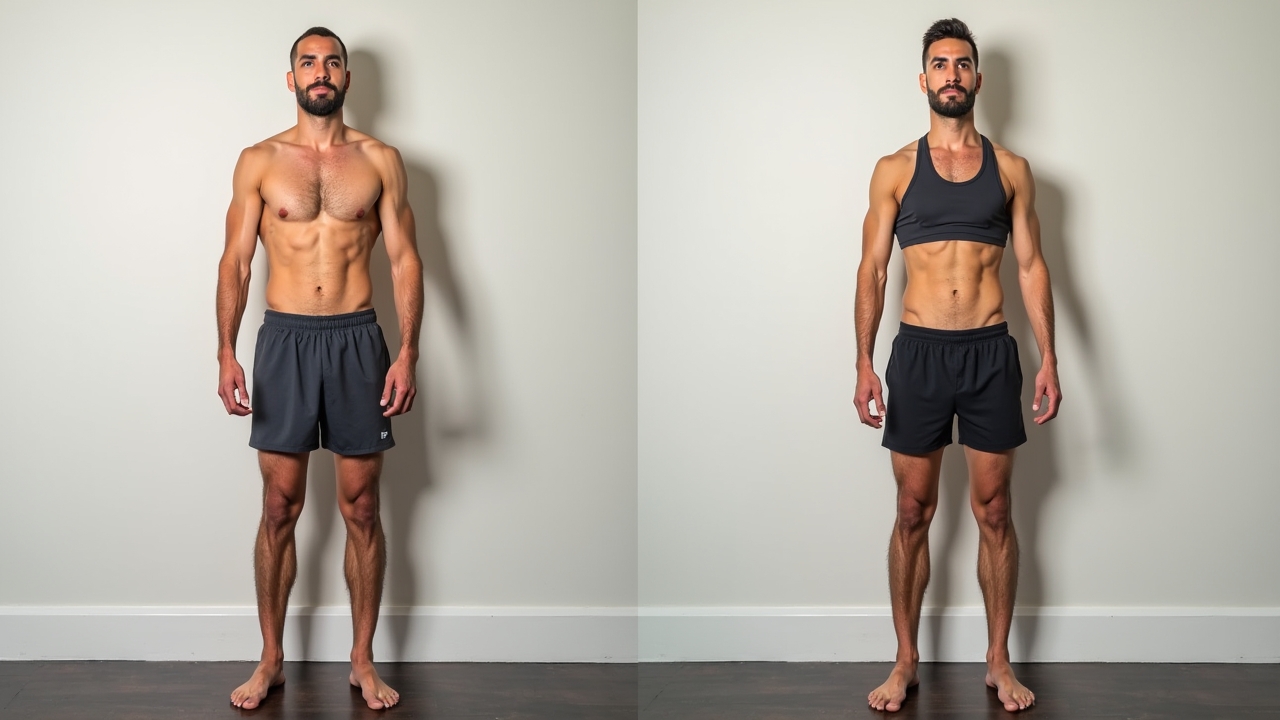
Here’s a stat that honestly crushed me when I first read it — roughly 50% of people who start endurance training without a proper plan end up losing noticeable muscle mass within the first few months. I know because I was one of them! After spending a full year building solid muscle, I decided to train for a half marathon and watched my hard-earned gains slowly disappear like ice cream on a summer sidewalk.
The good news? You absolutely can build endurance and keep muscle at the same time. It just takes a smarter approach than what I did, which was basically running myself into the ground six days a week while eating like a bird.
Why Cardio Eats Your Muscle (If You Let It)
So here’s the deal. When you do long bouts of steady-state cardio, your body starts tapping into amino acids for fuel — basically breaking down muscle tissue to keep you going. This process, called muscle protein breakdown, gets worse when you’re not eating enough or training too much.
I remember my buddy telling me, “Dude, you look smaller.” That was about six weeks into my marathon prep. It stung, not gonna lie. The problem wasn’t the running itself — it was that I had completely abandoned my strength training routine and slashed my calories thinking I needed to be lighter.
The Concurrent Training Sweet Spot
The fancy term for combining cardio and resistance training is “concurrent training.” And researchers have actually been studying this for decades. The trick is finding the right balance so one type of training doesn’t cancel out the other.
What worked for me was keeping three solid strength training sessions per week while adding endurance work on separate days. I focused on compound movements like squats, deadlifts, and bench press to maintain muscle mass efficiently. If you’re short on time, two full-body sessions can still get the job done.
Advertisements
One mistake I made early on was doing my long runs right before leg day. Terrible idea. Your muscles need recovery time, and stacking intense sessions back-to-back is basically asking for trouble. Try to space them out by at least six to eight hours, or better yet, put them on completely different days.
Eat Like You Mean It
This was the biggest game-changer for me, honestly. When you’re trying to build cardiovascular endurance while preserving lean muscle, your nutrition has to be on point. You can’t eat in a massive deficit and expect your body to hold onto muscle — it just doesn’t work that way.
I aim for about 0.8 to 1 gram of protein per pound of bodyweight daily. That’s non-negotiable. On heavy training days, I bump my carbohydrate intake up because your body needs that glycogen for both endurance performance and muscle recovery.
- Prioritize protein at every meal — chicken, fish, eggs, Greek yogurt, whatever you enjoy
- Don’t fear carbs — sweet potatoes, rice, and oats are your friends
- Eat a protein-rich snack within an hour after training
- Stay hydrated because dehydration tanks your performance in both cardio and lifting
Pick the Right Type of Cardio
Not all cardio is created equal when it comes to muscle preservation. High-intensity interval training, or HIIT, has been shown to be more muscle-friendly than long, slow distance work. That’s because HIIT mimics the explosive demands of resistance training more closely.
I started replacing two of my longer runs with sprint intervals and cycling sessions. The results were pretty wild — my endurance still improved, but I stopped losing size in my legs and arms. Cycling in particular is great because it’s lower impact and actually builds some quad strength while boosting your aerobic capacity.
A Simple Weekly Split That Actually Works
- Monday: Upper body strength
- Tuesday: HIIT cardio (20-25 minutes)
- Wednesday: Lower body strength
- Thursday: Easy recovery cardio (light jog or walk)
- Friday: Full body strength
- Saturday: Longer endurance session
- Sunday: Rest
Your Gains Aren’t Going Anywhere — If You’re Smart About It
Look, building endurance while keeping muscle isn’t some impossible puzzle. It just requires intentional programming, adequate protein intake, and enough rest to let your body actually adapt. Don’t make my mistake of going all-in on cardio while neglecting everything else.
Everyone’s body responds differently, so tweak this approach based on how you feel and what your goals are. And please — listen to your body when it’s screaming for a rest day. For more tips on balancing your fitness goals, check out other posts on Fitness Nuvra — we’ve got plenty more where this came from!