Advertisements
Hybrid Training Program for Beginners: How I Stopped Spinning My Wheels and Finally Got Results
Here’s a stat that honestly blew my mind — a study published by the Journal of Strength and Conditioning Research found that combining resistance training with cardiovascular exercise produced better overall fitness outcomes than doing either one alone. I remember reading that and thinking, “Wait, so I don’t have to choose between lifting weights and running?” That realization changed everything for me!
If you’ve been bouncing between cardio days and strength days without a real plan, a hybrid training program might be exactly what you need. It’s basically the best of both worlds, and honestly, beginners are in the perfect position to start one. Let me walk you through how I figured this whole thing out — mistakes and all.
What Even Is Hybrid Training?
So hybrid training is pretty much what it sounds like. You’re blending strength training and cardiovascular conditioning into one structured program. Instead of being a “gym bro” who only lifts or a runner who never touches a dumbbell, you’re doing both intentionally.
The goal is building muscle while also improving your endurance and aerobic capacity. Think of it as training to be a well-rounded athlete, even if you’re just a regular person who wants to feel good. When I first started, I didn’t really understand the balance — I was doing way too much cardio and wondering why my squat numbers weren’t moving.
Why Beginners Actually Have an Advantage
Here’s something nobody told me early on. Beginners experience what’s called “newbie gains,” where your body responds super fast to almost any stimulus. This means you can build muscle and improve your cardiovascular fitness at the same time without the interference effect that more advanced athletes worry about.
I wasted my first three months following a bodybuilding split I found on some random forum. My cardio was nonexistent and I’d get winded walking up stairs. Once I switched to a hybrid approach, everything clicked. My body composition changed, my energy levels went through the roof, and I actually looked forward to workouts.
Advertisements
A Simple Weekly Hybrid Training Schedule
Alright, let me give you the framework that worked for me as a beginner. You can absolutely tweak this based on your schedule, but this is a solid starting point.
- Monday: Upper body strength (push-ups, dumbbell press, rows, overhead press)
- Tuesday: Zone 2 cardio — 30 minutes of easy jogging or cycling (check out Polar’s heart rate zone guide if you’re confused about zones)
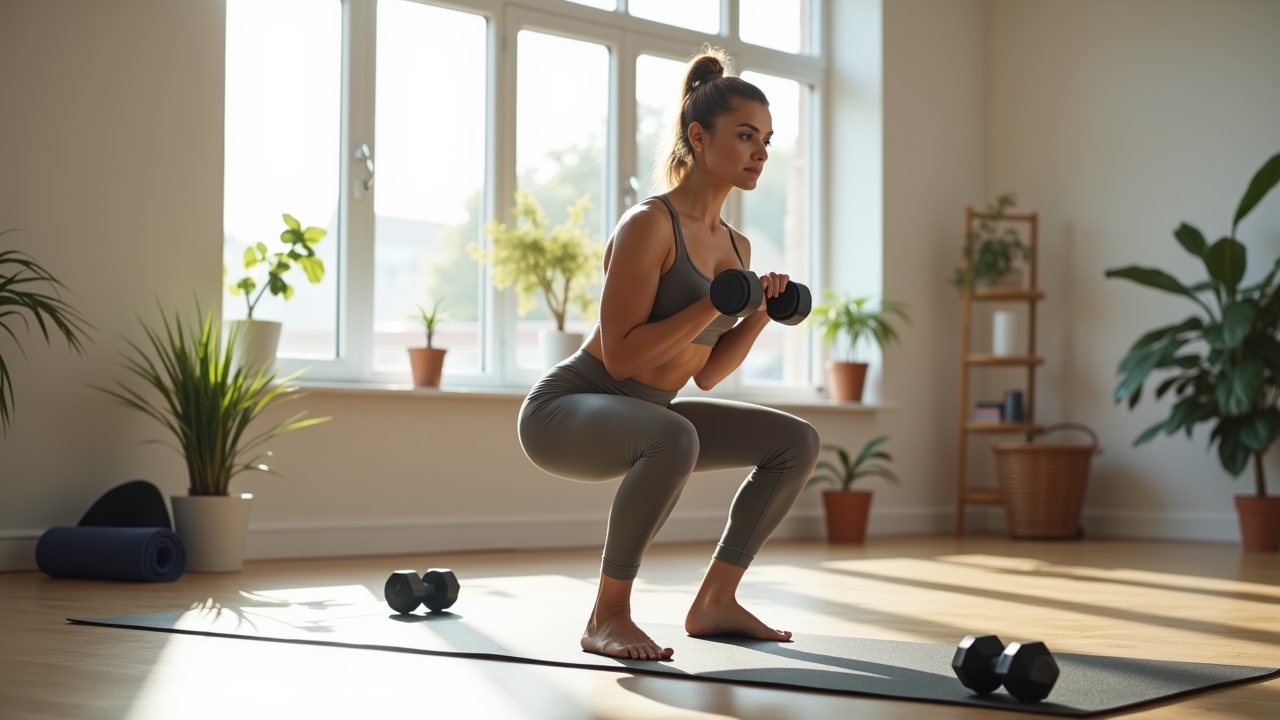
- Wednesday: Lower body strength (squats, lunges, deadlifts, calf raises)
- Thursday: Rest or light walking
- Friday: Full body strength circuit
- Saturday: HIIT or interval training — 20 minutes max
- Sunday: Complete rest
That’s it. Nothing fancy. The key is consistency, not complexity.
Mistakes I Made So You Don’t Have To
Oh man, where do I start. My biggest mistake was going too hard on HIIT days and then being completely toast for my strength sessions. Your high-intensity cardio should complement your lifting, not destroy you for it.
Another thing — I neglected recovery like it was optional. Sleep, nutrition, and rest days are literally where the magic happens. Your muscles don’t grow in the gym; they grow when you’re recovering. I learned this the hard way after tweaking my lower back because I refused to take a day off.
Also, I was barely eating enough protein. If you’re doing a hybrid fitness routine, aim for around 0.7 to 1 gram of protein per pound of bodyweight. The American Council on Exercise has a great breakdown on this if you want to dig deeper.
Keep It Boring, Keep It Effective
Honestly, the best beginner workout plan is one you’ll actually stick with. Don’t overcomplicate it with fancy periodization or equipment you don’t have access to. Start simple, track your progress, and adjust as you go.
Your hybrid training program should fit your life — not the other way around. And please, listen to your body. If something hurts (not the good kind of sore, the bad kind), back off and reassess.
If you found this helpful and want more practical fitness guides written by someone who’s been through the trial and error, head over to the Fitness Nuvra blog for more posts just like this. Your future self will thank you!